American Thanksgiving is one of the busiest periods of the year for many food distributors. Here's how to prepare for the seasonal surge, streamline order management, and keep operations running smoothly when demand increases.
As American Thanksgiving approaches on November 26, 2026, food distributors across the United States are preparing for one of the most demanding periods on their calendars.
Restaurants, grocery stores, hotels, catering companies, and foodservice operators all need to prepare for increased customer demand. For the distributors supplying them, that means more orders to process, tighter delivery schedules, increased pressure on inventory, and less room for error.
The challenge isn't simply fulfilling more orders. It's managing that additional volume without overwhelming employees, creating fulfillment bottlenecks, or compromising customer service.
For distributors still relying heavily on phone calls, emails, spreadsheets, and manual order entry, seasonal demand can expose inefficiencies that are manageable during quieter periods but become significant problems during peak season.
The good news? With the right preparation, processes, and technology, food distributors can handle the Thanksgiving rush more efficiently.
Here are seven ways to prepare your distribution business for high-volume ordering this Thanksgiving.
1. Forecast Demand and Prepare Inventory Early
One of the biggest challenges during Thanksgiving is ensuring you have the right products available when customers need them.
Demand for certain products can increase significantly in the weeks leading up to the holiday. Turkey, poultry, beef, produce, dairy, frozen foods, baking ingredients, and other seasonal staples may experience increased demand depending on your customer base.
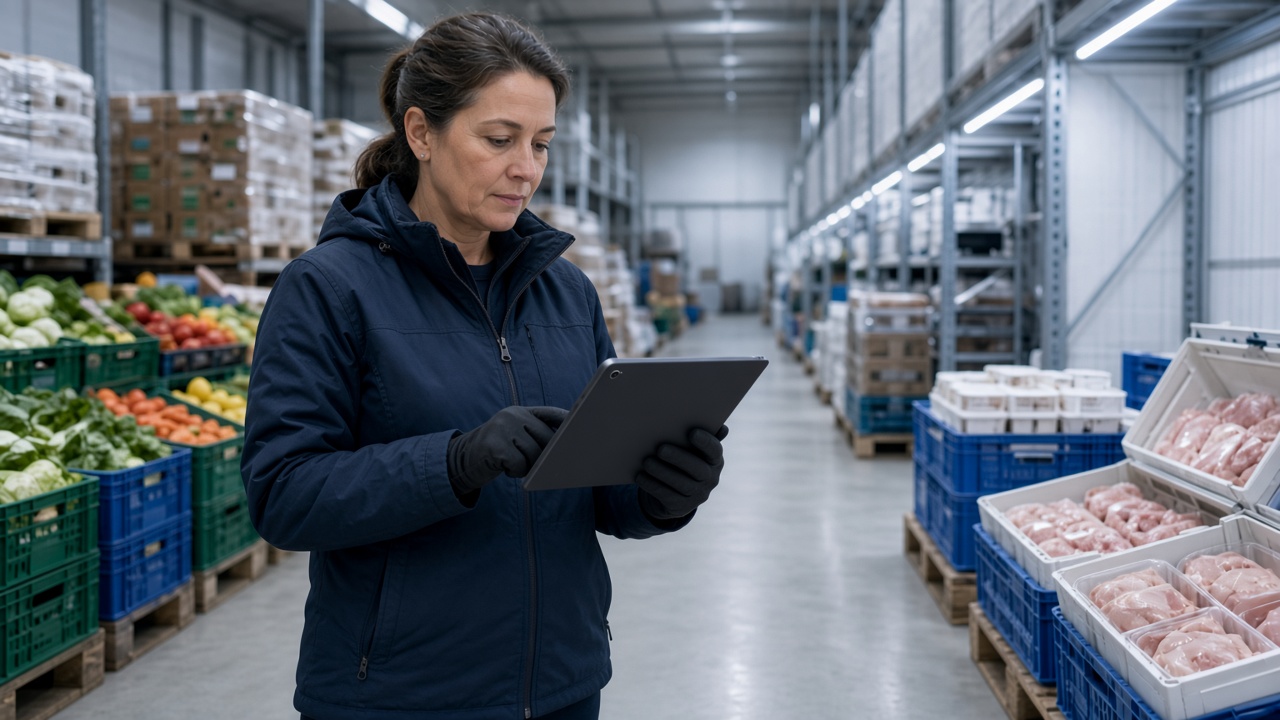
Running out of key products can mean missed sales and disappointed customers. Overstocking, on the other hand, can tie up working capital and increase the risk of spoilage, particularly for perishable goods.
How to prepare
Start by reviewing historical sales data from previous Thanksgiving periods.
Look for patterns such as:
- Which products experienced the largest increases in demand?
- Which customers significantly increased their order volumes?
- When did order volumes begin to rise?
- Which products experienced shortages or supply constraints?
- Which delivery dates and routes experienced the greatest pressure?
Use these insights to work with suppliers, establish purchasing plans, and determine appropriate inventory levels.
It's also worth communicating with your largest customers ahead of time to understand their expected requirements. Restaurants, retailers, and institutional buyers may have upcoming promotions, catering commitments, or holiday menus that affect their purchasing needs.
The goal is to anticipate demand rather than react to shortages once the rush has already started.
2. Encourage Customers to Place Orders Earlier
Last-minute orders can be particularly difficult to manage during peak season.
When customers submit orders close to their required delivery dates, distributors have less time to source products, allocate inventory, organize picking, and coordinate transportation.
Late orders can also create unexpected pressure on employees who are already processing higher-than-normal volumes.
Encouraging customers to order earlier gives your team more time to plan and helps reduce the likelihood of fulfillment issues.

How to prepare
Communicate Thanksgiving ordering deadlines well in advance.
Consider:
- Establishing recommended order dates for Thanksgiving deliveries.
- Sending reminders to customers based on their usual ordering schedules.
- Providing clear information about holiday delivery availability.
- Communicating cutoff times for changes and cancellations.
- Offering an easy way for customers to submit their orders ahead of time.
An online ordering portal can make this process easier by allowing customers to place orders when it's convenient for them, without needing to contact a sales representative during business hours.
Customers can also review available products, access their applicable pricing, and reorder frequently purchased items.
This reduces the administrative burden on your team while giving customers greater flexibility.
3. Reduce Manual Order Entry
As order volumes increase, manual order entry can become a significant operational bottleneck.
Consider a distributor that normally processes 500 orders per week. If Thanksgiving increases that volume to 750 orders, the team must process an additional 250 orders while managing the rest of its responsibilities.
If every order requires an employee to answer a phone call, read an email, interpret product requests, confirm quantities, and enter the information into an ERP, even a moderate increase in demand can create substantial additional work.

The problem becomes more complicated when orders arrive through multiple channels.
One customer might call a sales representative, another might send an email, and a third might submit an order through text message. Employees must manage all these requests while ensuring that the correct information reaches the order management system.
How to prepare
Identify the steps in your current ordering process that require the most manual work.
For example:
- Re-entering orders received by email or phone.
- Looking up customer and product information.
- Confirming product codes and quantities.
- Repeating previous orders.
- Transferring order information between systems.
- Following up with customers to clarify incomplete requests.
Where possible, automate repetitive steps.
An online ordering portal allows customers to submit orders directly, reducing the number of orders employees need to enter manually.
AI-powered order automation can also help convert incoming requests from channels such as email, text, and voicemail into structured order information, depending on the capabilities of the system.
These tools can reduce repetitive data entry and help employees focus on exceptions, customer service, and fulfillment.
The objective isn't simply to process more orders. It's to process more orders without increasing administrative workload at the same rate.
4. Establish Clear Ordering and Delivery Rules
During peak season, inconsistent ordering requirements can create confusion for both customers and employees.
One customer may need to order several days in advance, while another can place an order with a shorter lead time. Different customers may also have different minimum order values, delivery fees, delivery schedules, or product availability.
When these rules are communicated inconsistently or managed manually, employees must spend additional time checking requirements and resolving issues.
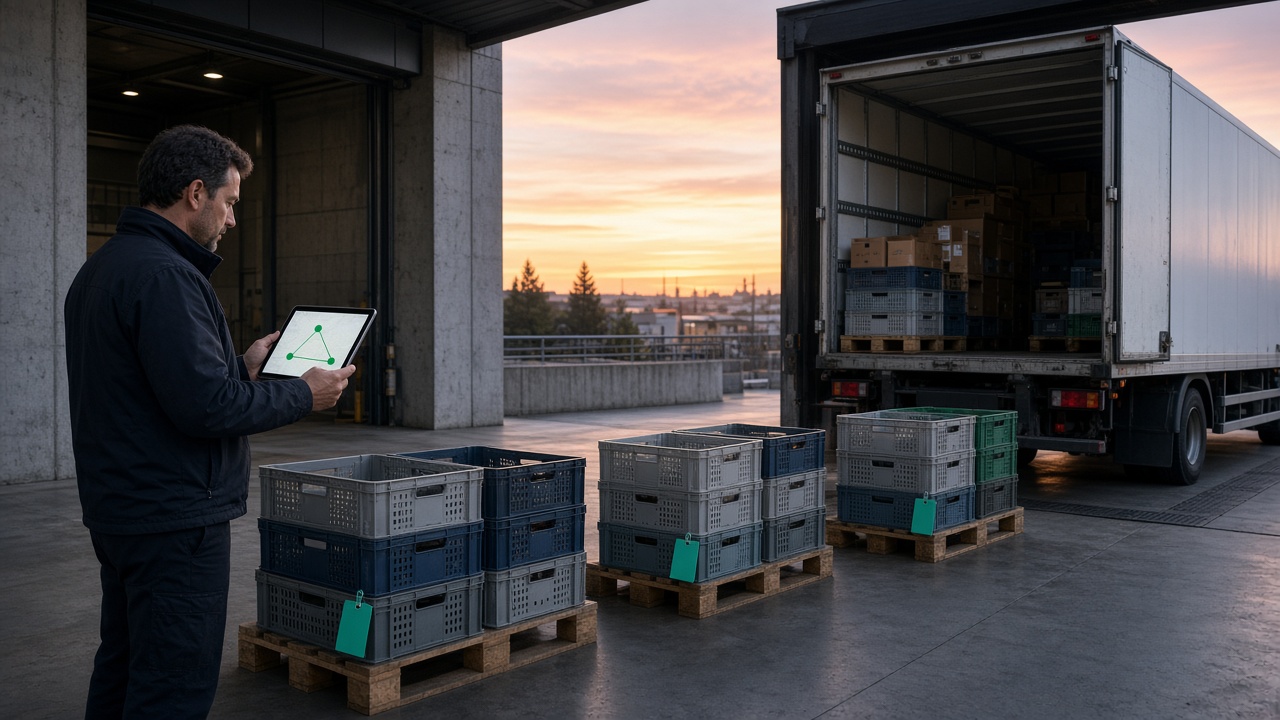
This becomes especially challenging when multiple warehouses, delivery routes, and customer locations are involved.
How to prepare
Before Thanksgiving, review your customer-specific ordering and delivery requirements.
Make sure your team has clear answers to questions such as:
- What is the order cutoff for each delivery date?
- Which delivery days are available during the holiday period?
- Are minimum order requirements changing?
- Are any products subject to allocation or purchasing limits?
- Are there special delivery fees or surcharges?
- Which warehouse will fulfill each order?
Where possible, configure these rules directly into your ordering workflows rather than relying entirely on employees to remember them.
A digital ordering system that supports customer-specific requirements can help enforce applicable minimums, lead times, delivery schedules, fees, and product availability.
This helps customers understand their options before submitting an order and reduces the number of manual checks required by your team.
5. Keep Customers Informed About Product Availability and Delivery Schedules
During Thanksgiving, customers are often working against tight deadlines of their own.
Restaurants need ingredients for holiday menus. Retailers need products available for shoppers. Catering companies need orders delivered before scheduled events.
When customers don't know whether products are available or when deliveries will arrive, they may contact your team for updates, place duplicate orders, or make last-minute changes.
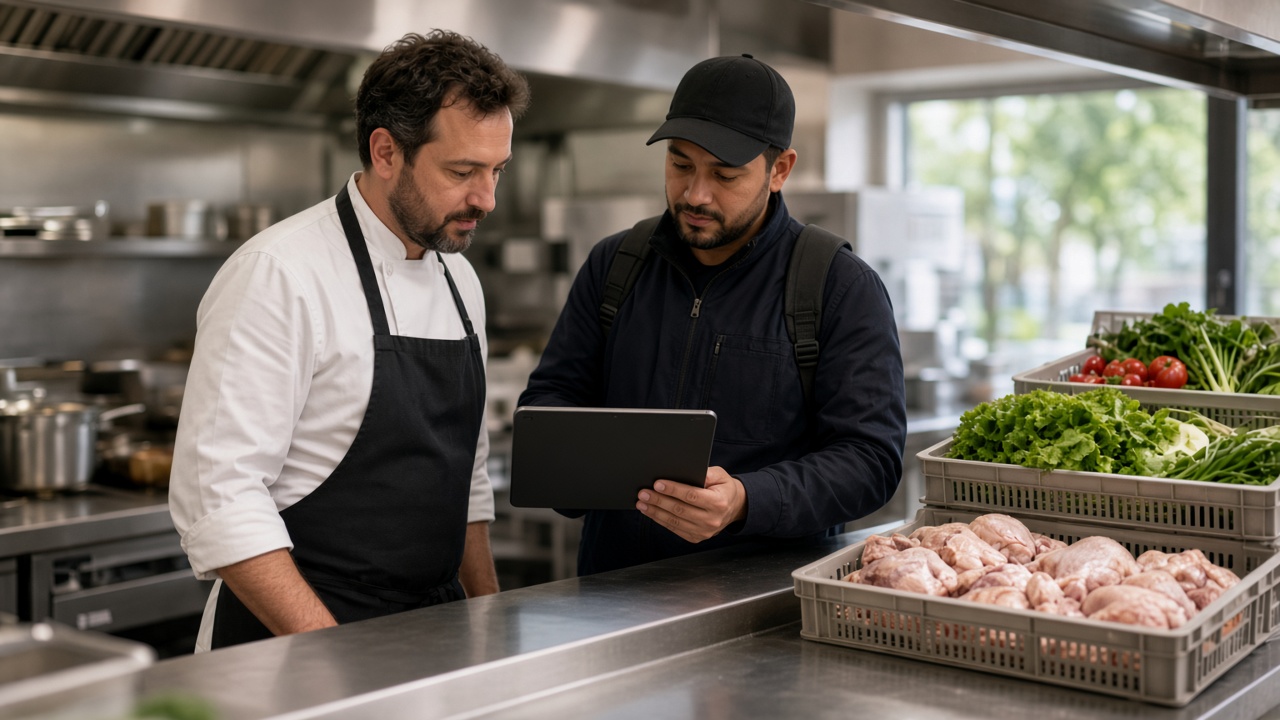
These requests create additional work precisely when your employees have the least capacity to handle it.
How to prepare
Communicate proactively with customers throughout the holiday ordering period.
Make sure they understand:
- Holiday ordering deadlines.
- Any changes to regular delivery schedules.
- Product availability and potential substitutions.
- The process for requesting order changes.
- How to contact your team about urgent issues.
Where your systems support it, give customers access to their order history, order details, and relevant product information through an online portal.
This gives customers greater visibility into their purchasing activity and reduces their reliance on sales representatives for routine requests.
It's also important to establish an internal process for communicating product shortages and delivery changes quickly. When your sales, warehouse, and delivery teams have access to consistent information, they can provide customers with clearer and more reliable updates.
6. Give Your Team the Tools to Handle Increased Demand
Hiring temporary employees or extending working hours may seem like the most straightforward way to handle a seasonal increase in orders.
Sometimes additional staffing is necessary. However, hiring more people won't necessarily solve the underlying problem if employees are spending too much time on repetitive administrative tasks.

New employees also need training, and additional staff can introduce more coordination requirements during an already demanding period.
Before increasing headcount, evaluate whether your existing team could handle more volume with better processes and tools.
How to prepare
Look for opportunities to eliminate unnecessary work.
For example:
- Reduce manual entry by encouraging digital ordering.
- Automate repetitive order-processing tasks.
- Standardize how incoming orders are handled.
- Make customer and product information easier to access.
- Establish clear procedures for order exceptions.
- Give employees better visibility into order status and delivery requirements.
You should also identify which tasks genuinely require human judgment.
Customer relationships, complex order changes, unusual product requests, and resolving fulfillment problems may still require direct employee involvement.
By automating routine work, your team can devote more attention to these higher-value activities.
The result is a more scalable operation that can handle seasonal demand without relying exclusively on additional labour.
7. Review Performance After the Holiday Rush
Once Thanksgiving has passed, take the opportunity to evaluate how your operation performed.
The busiest periods often reveal inefficiencies that are less obvious during normal operations.

A structured review can help you identify improvements before the next seasonal peak, whether that's Christmas, New Year's, or another high-demand period for your business.
What should you measure?
Consider tracking the following metrics:
- Order processing time: How long does it take to receive, enter, and process an order?
- Manual order entry volume: How many orders still require employees to enter information manually?
- Order accuracy: How frequently do errors occur, and where do they originate?
- On-time delivery rate: What percentage of orders arrive within the expected delivery window?
- Order channel distribution: What percentage of orders arrive through phone, email, text, and online ordering?
- Customer service workload: How many calls and messages concern routine order status, product availability, or delivery questions?
- Missed sales opportunities: Did order processing delays, inventory shortages, or capacity constraints prevent the business from fulfilling customer demand?
Reviewing these metrics can help you distinguish between problems caused by insufficient capacity and problems caused by inefficient processes.
For example, if your team spent a disproportionate amount of time entering orders manually, improving your ordering workflow may be more effective than simply hiring additional employees next season.
The objective is to turn each busy period into an opportunity to improve operational efficiency.
Prepare Your Food Distribution Business for Thanksgiving
Thanksgiving puts pressure on nearly every part of the food distribution process, from purchasing and inventory management to order entry, customer communication, and delivery coordination.
While you can't control every change in customer demand, you can control how prepared your business is to manage it.
By forecasting demand, encouraging earlier ordering, reducing manual data entry, standardizing customer-specific requirements, and giving employees better tools, you can make it easier to manage high-volume periods without sacrificing service quality.
Technology can play an important role in this process.
Digital ordering portals help customers place orders directly, while automation can reduce repetitive administrative work and improve the flow of order information between systems. Together, these capabilities can help distributors manage growth without allowing order-processing workload to grow at the same pace.
Make Your Ordering Process Work Harder This Holiday Season
Freshline helps food distributors streamline B2B ordering with online customer portals, automated ordering workflows, customer-specific ordering rules, and integrations with existing business systems.
Whether you're looking to reduce manual order entry, make reordering easier for customers, or prepare your team for higher order volumes, improving your ordering process can be a valuable step toward a more efficient operation.
Want to see how Freshline could help your business handle more orders with less manual work? Book a demo with Freshline →